Evaluating the Scary Forest Multilayer Paper Cut for Professional Halloween Décor
The demand for high-quality, atmospheric Halloween décor has shifted significantly in recent years. Consumers and creators alike are moving away from mass-produced plastic ornaments toward bespoke, handcrafted pieces that offer depth and narrative. In this context, the Scary Forest Multilayer Paper Cut emerges as a compelling asset for digital fabrication. This design is not merely a static image but a structured, seven-layer composition specifically engineered for precision cutting machines like Cricut and Silhouette. For professionals in the crafting industry, small business owners, and serious hobbyists, understanding the technical nuances and practical applications of such a file is essential before integrating it into a production workflow.
Technical Architecture and Design Integrity
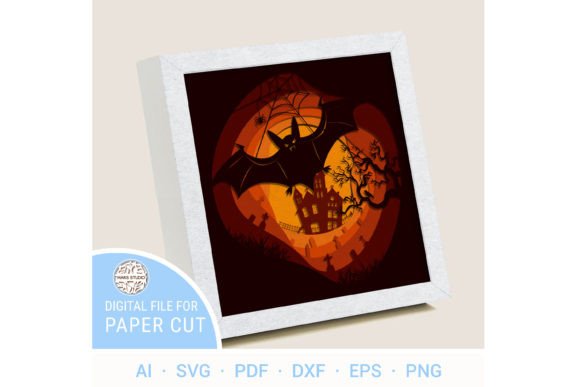
At its core, the Scary Forest design functions as a 3D shadow box illustration. Unlike standard two-dimensional SVGs, this file relies on the strategic stacking of layers to create parallax and depth. The finished product, when assembled at the recommended 8 x 8 inch scale, utilizes seven distinct layers. This layer count is critical; it provides sufficient granularity to separate foreground elements—such as twisted branches or silhouetted figures—from the background moonlight or fog effects without creating an overly bulky final piece.
The file format itself is optimized for vector-based cutting software. Whether you are using layered SVG files for Cricut Design Space or Silhouette Studio, the paths are typically clean and closed, minimizing the need for manual node editing. However, the true test of any multilayer design lies in its structural integrity when scaled. The documentation for this specific asset notes that while increasing the size is generally safe, reducing the dimensions requires caution. This is a vital consideration for producers looking to create miniature versions for greeting cards or ornaments. Thin elements, such as distant tree twigs or fine spiderwebs, may vanish or become fragile if the design is shrunk below a certain threshold without adjusting line weights or simplifying the vector paths.
Material Versatility and Fabrication Strategies
One of the strongest value propositions of the Scary Forest multilayer paper cut is its material agnosticism. While the name suggests paper, the vector geometry is robust enough to handle a wide range of substrates. The recommended materials include plywood, MDF, acrylic, plexiglass, cardboard, and various weights of cardstock. This flexibility allows creators to pivot their product lines based on market trends or available inventory without needing to purchase new design assets.
For those working with wood, the specifications recommend a thickness between 3mm and 6mm (approximately 1/8 inch to 1/4 inch). This range is ideal for maintaining structural rigidity while allowing the layers to stack neatly within a standard shadow box frame. When using rigid materials like MDF or plywood, the weight of the finished piece increases, which necessitates a sturdy backing and potentially a deeper frame than what would be required for paper. Conversely, using acrylic or plexiglass introduces opportunities for lighting integration. Translucent layers can catch LED strips placed behind the artwork, transforming the 3D SVG paper cut into a glowing nightlight or illuminated wall sconce—a popular upsell opportunity during the Halloween season.
A crucial step in the assembly process, often overlooked by novices but well-understood by professionals, is the painting sequence. The guidelines explicitly state: "Paint before gluing." This is a practical necessity. Once the seven layers are adhered, accessing the inner edges and recessed areas becomes nearly impossible without risking damage to the delicate structures. Applying stain, acrylic paint, or sealant to individual layers prior to assembly ensures a uniform, professional finish. For wood projects, this might involve distressing the edges to enhance the "haunted" aesthetic before the layers are bonded.
Workflow Efficiency and Production Scalability
For entrepreneurs and freelancers managing tight deadlines, the reliability of a digital asset is paramount. The Scary Forest digital multilayer SVG files are designed to streamline the cutting process. Because the layers are pre-separated, the time spent on file preparation is minimized. Users can import the file, assign cut settings based on their chosen material, and proceed immediately to production. This consistency is valuable for small batch production runs where repeatability is key.
However, scalability does come with logistical considerations. Assembling a seven-layer piece is labor-intensive. Each layer must be aligned perfectly and glued with an adhesive that dries clear and holds firmly. For paper projects, acid-free glue sticks or spray adhesives are preferred to prevent warping. For wood or acrylic, cyanoacrylate (super glue) or epoxy may be necessary depending on the surface area contact. Businesses aiming to sell these as finished goods must factor this assembly time into their pricing models. While the cutting machine handles the fabrication quickly, the manual assembly remains a bottleneck that cannot be fully automated.
Ideal Use Cases and Audience Fit
Who benefits most from incorporating the Scary Forest into their portfolio? The primary audience includes makers who specialize in seasonal home décor, Etsy sellers looking for unique Halloween inventory, and educators teaching advanced papercraft or laser cutting techniques. The eerie, mesmerizing nature of the design makes it particularly effective for setting a mood in retail environments, haunted house attractions, or themed events.
For marketers and content creators, this asset offers visual versatility. The high-contrast silhouette style photographs well, making it suitable for social media campaigns focused on DIY Halloween projects. Furthermore, the ability to customize the color palette allows for brand alignment. A corporate client might request a monochromatic black-and-white version for a sophisticated office display, while a residential customer might prefer warm autumn tones or stark, spooky greens and purples.
Limitations and Practical Recommendations
Despite its strengths, the Scary Forest multilayer paper cut is not without limitations. As previously mentioned, downscaling is risky. Creators attempting to fit this design into small frames (below 6 inches) should expect to lose detail unless they manually simplify the vector file. Additionally, the depth required for a seven-layer stack means that standard photo frames often will not suffice. Professionals should source or construct deep-box frames (typically 1.5 inches or deeper) to accommodate the z-axis expansion of the artwork, especially when using thicker materials like 6mm wood.
Environmental factors also play a role. Paper versions are susceptible to humidity and direct sunlight, which can cause fading or warping over time. If the finished product is intended for long-term use or outdoor display (under cover), sealing the paper with a protective varnish or opting for synthetic materials like acrylic is advisable. For wooden versions, ensuring the wood is properly sealed prevents moisture absorption, which could cause the layers to shift or the glue to fail.
Final Assessment on Long-Term Value
In the competitive landscape of digital crafting assets, the Scary Forest distinguishes itself through its thoughtful layering and material adaptability. It transcends the typical "one-season" utility by offering a design robust enough for multiple mediums. Whether executed in delicate cardstock for a greeting card line or sturdy plywood for a premium wall hanging, the underlying geometry holds up well.
For the serious creator, the value lies not just in the immediate visual impact but in the flexibility the file affords. It supports a workflow that can range from quick prototyping to high-end artisanal production. By adhering to the recommended painting and assembly protocols, users can consistently produce high-quality results that resonate with the spooky season's aesthetic demands. Ultimately, this asset serves as a reliable foundation for those looking to elevate their Halloween offerings beyond generic store-bought decorations, providing a tangible, tactile experience that engages viewers on a deeper level.