Evaluating the Brand Identity Mockup for Professional Design Presentation
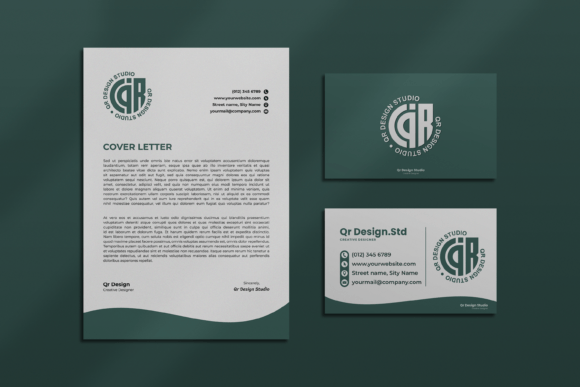
In the competitive landscape of graphic design and marketing, the quality of a presentation often holds as much weight as the design itself. A Brand Identity Mockup serves as a critical tool for designers, agencies, and business owners who need to visualize how a logo, color palette, and typography will appear in real-world applications. Specifically, high-quality PSD files that offer a realistic and clean 3D view allow stakeholders to assess the viability of a brand identity before committing to physical production. This article evaluates the utility, benefits, and limitations of using such mockups to present brand identity designs professionally.
Understanding the Role of Brand Identity Mockups
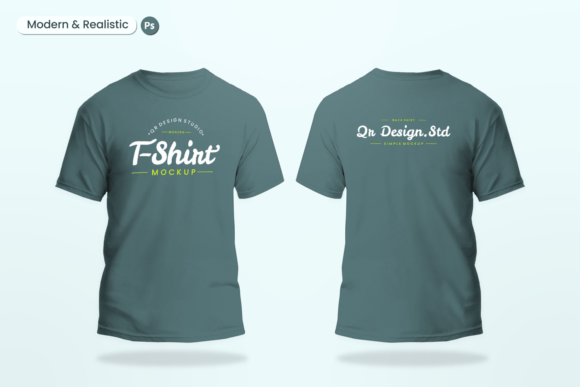
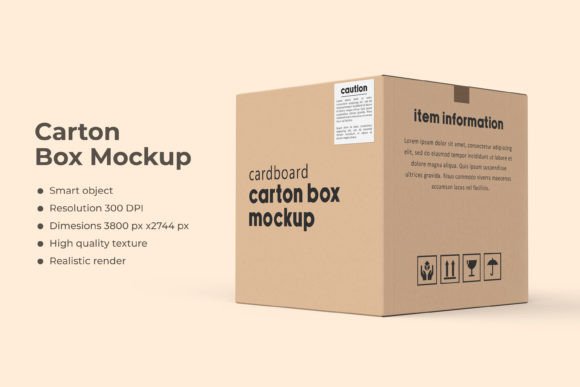
A Brand Identity Mockup is essentially a digital template, typically created in Adobe Photoshop, that allows users to superimpose their 2D designs onto 3D objects or scenes. The specific file type discussed here is a PSD (Photoshop Document) with dimensions of 3000x2000 pixels at 300 DPI. These specifications are significant because they ensure the final output is print-ready and retains high fidelity across various media channels.
The core mechanism behind these files is the "Smart Object" feature. This technology enables users to replace the placeholder design with their own artwork easily and quickly. By double-clicking the smart object layer, inserting the new design, and saving, the mockup automatically updates the main composition. This process eliminates the need for complex manual masking, lighting adjustments, or perspective warping, making it accessible even to those with intermediate Photoshop skills.
Key Benefits of Using High-Resolution PSD Templates
When evaluating whether to utilize a pre-made mockup versus creating a scene from scratch, several distinct advantages emerge. The primary benefit is efficiency. Creating a photorealistic 3D environment with accurate lighting, shadows, and textures can take hours of rendering and post-production work. A well-organized PSD file reduces this timeframe to minutes, allowing designers to focus on the creative aspects of the brand identity rather than the technicalities of presentation.
Furthermore, the realism provided by a clean 3D view helps clients visualize the end product more effectively. Abstract logos on a white background can be difficult for non-designers to interpret. Seeing a logo embossed on a business card, printed on packaging, or displayed on signage provides context. The ability to increase or reduce shadows and apply various effects within the file adds a layer of customization, ensuring the mockup aligns with the specific mood of the brand.
The technical structure of these files also supports flexibility. With fully layered and well-organized structures, users can isolate specific elements. For instance, if the default background color does not match the brand guidelines, it can be changed instantly. Similarly, if the texture of the object needs adjustment to better represent a specific material, the layered nature of the file facilitates these modifications without compromising the integrity of the image.
Practical Considerations and Tradeoffs
While the advantages are clear, potential users must also consider the tradeoffs associated with relying on template-based mockups. One significant consideration is the risk of overuse. Because high-quality mockups are popular, there is a chance that a specific template may be recognized by industry peers or clients if it has been widely distributed. To mitigate this, users should leverage the customizable features, such as changing background colors or moving objects, to create a unique composition that distinguishes their presentation from others.
Another factor is the dependency on software. To utilize a PSD file with smart objects, one must have access to Adobe Photoshop. While this is an industry standard, it represents a cost barrier for freelancers or small businesses operating on tight budgets who might prefer free, browser-based alternatives. However, for professional results requiring 300 DPI resolution and advanced layer control, desktop software remains superior.
Additionally, while "all objects are moveable," achieving a truly natural look requires a keen eye for composition. Simply placing a logo on a template does not guarantee a professional result; the scale, positioning, and interaction with light must still be evaluated critically. Users should expect to spend time fine-tuning these details to ensure the mockup looks authentic rather than like a obvious template application.
Ideal Scenarios for Implementation
There are specific situations where investing time in a high-quality Brand Identity Mockup yields the highest return. These templates are particularly strong fits for:
- Client Presentations: When pitching a new identity system, realistic visuals help sell the concept by demonstrating practical application.
- Portfolio Development: Designers seeking employment or freelance contracts need to showcase their work in the best possible light. High-resolution mockups demonstrate attention to detail and professionalism.
- Social Media Marketing: Brands launching a new look can use these assets to generate hype and provide a cohesive visual narrative across platforms like Instagram and LinkedIn.
- Print Previews: Before sending files to a printer, using a 300 DPI mockup allows for a final check on how colors and textures interact in a simulated physical environment.
In these contexts, the ability to quickly iterate through different variations—such as testing the logo on dark versus light backgrounds—provides valuable decision-making data.
When to Consider Alternatives
Despite their versatility, Brand Identity Mockups are not the solution for every scenario. If a project requires a highly specific, custom environment that does not exist in current template libraries, building a scene from scratch or commissioning a 3D render may be necessary. For example, if a brand sells a niche product with unique physical properties, a generic mockup might fail to capture the essential characteristics of the item.
Moreover, for early-stage brainstorming or internal rough drafts, high-fidelity mockups may be unnecessary and time-consuming. In the ideation phase, simple flat sketches or low-fidelity wireframes are often more effective for rapid iteration. The polished nature of a 3D mockup can sometimes prematurely lock a team into a specific aesthetic before the underlying strategy is fully validated.
Making the Decision
Determining whether a Brand Identity Mockup aligns with your goals depends on your immediate objectives and resources. If the priority is speed, professionalism, and visual impact for an external audience, a well-structured PSD file with smart objects is an invaluable asset. The combination of high resolution, editable layers, and realistic lighting offers a balance of convenience and quality that is hard to replicate manually.
However, users should approach these tools with a strategic mindset. Treat the mockup as a foundation rather than a finished product. Utilize the ability to change textures, adjust shadows, and rearrange elements to ensure the final image tells a unique story about the brand. By understanding both the capabilities and the limitations of these tools, designers and business owners can make informed decisions that enhance their brand communication without falling into the trap of generic presentation.
Ultimately, the value of a Brand Identity Mockup lies in its ability to bridge the gap between digital design and physical reality. When used thoughtfully, it transforms abstract concepts into tangible assets, facilitating clearer communication and more confident decision-making for all stakeholders involved.