Elevate Your Brand with a Glossy Magazine Mockup
Presenting your creative work effectively is often the difference between a project that gets approved and one that gets overlooked. Whether you are a graphic designer showcasing a new layout to a client, a marketer preparing a pitch deck, or an entrepreneur visualizing a product launch, the context in which your design appears matters immensely. A flat JPEG file rarely captures the imagination the way a realistic, three-dimensional representation does. This is where a high-quality Glossy Magazine Mockup becomes an indispensable tool in your digital workflow, bridging the gap between a concept on a screen and a tangible product in the real world.
The primary value of utilizing a mockup lies in its ability to provide immediate visual context. When stakeholders view a design, they often struggle to visualize how it will look in print or in a retail environment. By placing your artwork onto a photorealistic 3D model, you remove that cognitive load. The viewer instantly understands the scale, texture, and finish of the product. For magazine covers, brochures, or catalogs, the "glossy" finish implies a level of premium quality and professionalism that matte finishes do not always convey. It suggests vibrancy, depth, and a polished final product, which can significantly influence decision-making processes during client presentations or internal reviews.
Streamlining Your Workflow with Smart Technology
One of the most significant advantages of modern design assets is efficiency. In the past, creating a realistic product shot required hiring a photographer, renting a studio, arranging lighting, printing physical proofs, and conducting a photoshoot. This process was not only expensive but also time-consuming, often taking days or weeks to complete. Today, a well-constructed Glossy Magazine Mockup condenses this entire workflow into a matter of minutes.
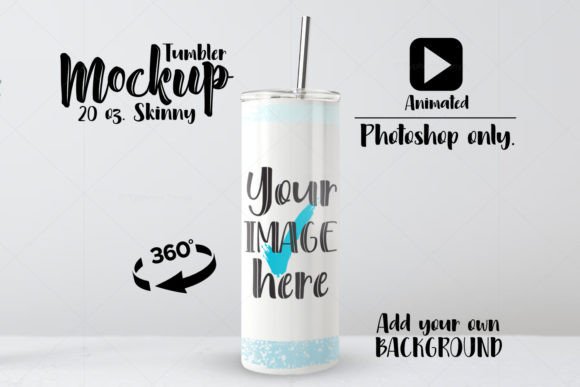
The core of this efficiency lies in the use of smart object layers. These are specialized features within Photoshop files that allow you to replace the placeholder image with your own design seamlessly. The process is remarkably straightforward: you open the PSD file, locate the smart object layer, double-click it, paste your artwork, save, and the mockup automatically updates. The software handles the complex tasks of warping the image to fit the perspective of the 3D model, applying the correct lighting curves, and integrating the gloss reflections. This means you can iterate through dozens of design variations in the time it used to take to create just one static image. For freelancers and agencies working under tight deadlines, this capability is not just a convenience; it is a critical productivity booster.
Customization and Creative Control
While speed is essential, creative flexibility is equally important. A rigid template that forces your design into an ill-fitting box can ruin the presentation. High-quality mockups offer extensive customization options to ensure your specific vision is realized. For instance, having access to full color options allows you to match the background or the magazine spine to your brand guidelines precisely. You are not limited to the default settings; you can adjust the environment to suit the mood of your campaign.
Furthermore, advanced mockups often feature fully separated object shadows. This might seem like a minor technical detail, but it offers profound control over the final look. By separating the shadow from the object, you can adjust the opacity, blur, or position of the shadow independently. This ensures that your magazine looks like it is naturally resting on the surface, rather than appearing to float awkwardly or look pasted on. Additionally, a changeable background means you can adapt the same 3D model for different contexts. You might need a clean white background for an e-commerce listing, a textured wooden table for a lifestyle blog post, or a vibrant gradient for a social media advertisement. Having these options within a single file package eliminates the need to purchase multiple different mockups for different use cases.
Ideal Use Cases for Professionals and Creators
Who benefits most from integrating these tools into their routine? The applications are vast across various industries. Graphic designers use them to build impressive portfolios that demonstrate how their 2D designs translate to 3D objects. This helps potential clients visualize the end result, increasing the likelihood of securing a contract. Marketers and advertisers utilize these assets to create compelling social media content. A post featuring a realistic magazine cover on a coffee table performs significantly better in terms of engagement than a flat digital file because it feels more authentic and relatable.
Entrepreneurs and small business owners often need to validate product ideas before committing to large print runs. Using a mockup allows them to test market reactions with realistic visuals without incurring printing costs. Similarly, publishers and editors can use these tools to preview upcoming issues or special editions, allowing the team to critique the hierarchy and impact of the cover design before sending it to the press. Even educators and students in design programs benefit by using these resources to learn about lighting, perspective, and presentation standards expected in the professional world.
Technical Specifications and Quality Standards
When selecting a resource for professional work, technical specifications are non-negotiable. A low-resolution image may look acceptable on a smartphone screen but will appear pixelated and unprofessional when viewed on a desktop monitor or, worse, in a printed proposal. A premium Glossy Magazine Mockup typically provides high-resolution files, such as 3000×2000 pixels at 300 DPI. This resolution ensures that every detail, from the text on the spine to the subtle sheen on the cover, remains crisp and clear regardless of how the image is scaled or displayed.
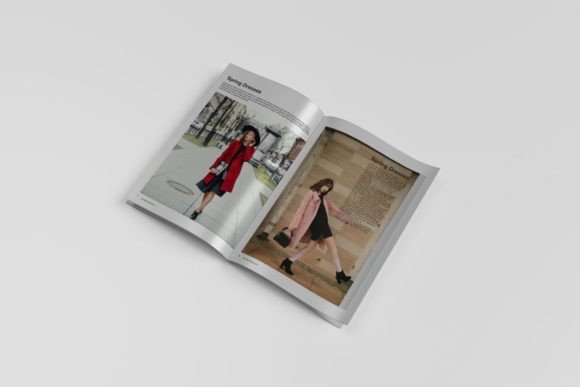
Comprehensive packages often include multiple file variations. For example, receiving 7 PSD files gives you a range of angles and compositions. You might have a front-on view, a side profile, a stacked arrangement, or an open spread showing the interior pages. This variety prevents your presentations from looking repetitive and allows you to tell a more complete visual story. Additionally, including a PDF guide ensures that even users who are less familiar with Photoshop smart objects can navigate the files confidently, reducing frustration and setup time.
Considerations for Effective Implementation
While these tools are powerful, it is important to use them thoughtfully. The goal is to enhance your design, not to distract from it. When customizing the mockup, ensure that the lighting and color grading of your artwork match the environment of the 3D model. If your design looks too bright or has a different color temperature than the scene, it will break the illusion of realism. Also, remember that the images or designs shown in the preview of the mockup file are usually not included in the download; they are placeholders for demonstration purposes only. You must supply your own high-quality artwork to achieve the best results.
Moreover, consider the platform where the final image will be displayed. While a 300 DPI file is excellent for print proposals, you may need to optimize the file size for web use to ensure fast loading times on websites or email newsletters. Balancing quality with performance is a key skill for any digital professional.
In conclusion, incorporating a Glossy Magazine Mockup into your design toolkit is a strategic move that enhances communication, saves time, and elevates the perceived value of your work. By leveraging smart object technology, high-resolution textures, and customizable environments, you can present your ideas with a level of professionalism that resonates with clients and audiences alike. Whether you are refining a single cover or managing a large-scale branding project, the ability to visualize your work in a realistic setting is an investment that pays dividends in clarity, confidence, and creative success.