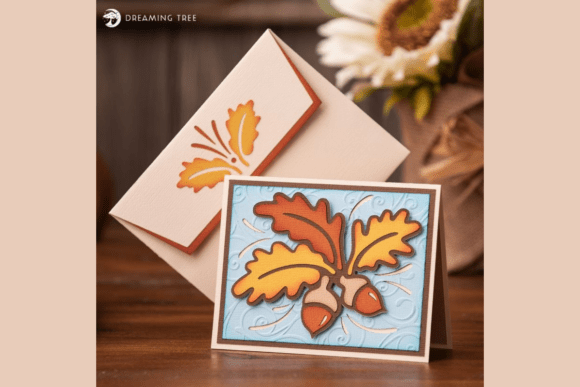
Autumn Occasions Card: A Guide to 3D Paper Crafting
The transition into fall brings a distinct shift in atmosphere, characterized by crisp air, shorter days, and a landscape painted in warm, earthy tones. Capturing this seasonal essence in a tangible format requires more than just standard stationery; it demands design that reflects the depth and texture of the season itself. The Autumn Occasions Card serves as a sophisticated medium for this expression. Designed as a layered 3D paper project, it moves beyond flat greetings to create a tactile experience. For anyone looking to elevate their paper crafting projects, understanding the nuances of this design—from its structural integrity to its aesthetic versatility—is key to achieving professional-looking results.
Understanding the Design Structure
At its core, this project is a digital SVG file intended for use with electronic cutting machines. The design features intricate layers of oak leaves and acorns, elements that are synonymous with autumn imagery. Unlike simple cut-outs, this card relies on layering to create dimension. The final assembled piece measures approximately 4.25 inches in height by 5.5 inches in width, with a depth of 0.125 inches. This specific depth is crucial, as it allows the card to stand out physically without becoming too bulky for standard mailing envelopes, provided proper padding is used.
The file comes with a PDF legend, a critical tool for organization. Because the design involves multiple overlapping pieces, identifying which layer corresponds to which color or shape can become confusing during assembly. The legend acts as a map, ensuring that the builder can accurately track progress and maintain the intended visual hierarchy. This attention to detail in the digital file translates directly to the ease of physical construction.
Why Different Crafters Choose This Project
The appeal of the Autumn Occasions Card varies significantly depending on the user’s background and goals. What serves as a quick weekend project for a hobbyist might represent a scalable product line for a small business owner. Recognizing these differing perspectives helps in determining how best to approach the build.
For Beginners and Hobbyists
For those new to 3D paper crafting, the primary concern is often manageability. Complex designs can be intimidating, leading to frustration if the pieces do not align correctly. This design mitigates that risk through its clear documentation. The inclusion of a step-by-step video tutorial is invaluable for novices, offering visual confirmation of techniques such as folding, gluing, and layering.
Beginners should focus on the supply list precision. The design specifies Encore Cardstock at 80 lb cover (216 gsm). Using paper that is too thin will result in a flimsy card that fails to hold its 3D shape, while paper that is too thick may jam cutting machines or resist folding. Sticking to the recommended weight ensures that the learning curve focuses on technique rather than troubleshooting material failures.
For Professional Creators and Small Business Owners
Entrepreneurs and professional crafters evaluate designs based on efficiency and commercial viability. The Autumn Occasions Card is optimized for 12x12 cutting machines, which is the industry standard for high-volume production. The ability to resize the project offers flexibility, allowing creators to adapt the design for different product lines, such as matching gift tags or larger decorative wall art.
From a business perspective, the choice of colors is strategic. The suggested palette—Vanilla, Rust, Chocolate, Mustard, Chestnut, Lagoon, and Latte—covers a broad spectrum of autumn preferences. However, professionals might choose to customize these colors to match specific brand identities or trending seasonal palettes. The modular nature of the SVG allows for easy color swapping in design software before cutting, enabling rapid prototyping of new variations without altering the structural integrity of the file.
For Educators and Workshop Leaders
Educators looking for classroom projects value designs that teach fundamental skills while remaining engaging. This card introduces students to concepts of spatial reasoning, patience, and fine motor skills. The layering process demonstrates how two-dimensional materials can create three-dimensional objects, a key principle in design and engineering.
The PDF legend and video tutorial also serve as teaching aids, allowing instructors to delegate self-guided learning. Students can reference the materials independently, fostering autonomy. Furthermore, the theme is universally recognizable, making it suitable for diverse cultural contexts where autumn is celebrated, such as Thanksgiving or harvest festivals.
Material Selection and Preparation
The success of any paper craft hinges on material quality. The supply list for this project is specific, calling for seven distinct sheets of cardstock. While the design is compatible with various brands, the recommendation for Encore Cardstock is based on its consistency in weight and texture.
- Base Layers: Vanilla cardstock provides a neutral, clean background that allows the colored leaves to pop.
- Foliage: Rust, Mustard, and Chestnut sheets create the gradient effect typical of falling leaves.
- Accents: Chocolate and Latte add depth to the acorns and stems, while Lagoon offers a subtle contrast that prevents the design from becoming monochromatic.
In addition to cardstock, the project requires ink foam squares and glue. Foam squares are essential for achieving the 0.125-inch depth. They provide a uniform lift that glue alone cannot achieve, ensuring the card maintains its structural rigidity. An embossing folder, specifically the Taylored Expressions Swirls pattern, is recommended for adding texture to the background layers. This step is optional but highly recommended for those seeking a premium finish, as it adds a tactile element that enhances the visual complexity.
Assembly Strategies for Best Results
Assembly is where the digital design becomes a physical object. To ensure a polished outcome, consider the following practical steps:
- Organize Before You Build: Use the PDF legend to sort cut pieces by color and layer number. Labeling small containers or using sticky notes can prevent mix-ups during the gluing process.
- Test Fit Dry: Before applying any adhesive, assemble the card without glue. This "dry run" allows you to check alignment and ensure all pieces fit correctly. It is much easier to adjust positioning before permanent bonding.
- Apply Adhesive Strategically: Use liquid glue for small, intricate details like acorn caps, and foam squares for larger layers that require lifting. Ensure that foam squares are placed symmetrically to prevent the card from warping over time.
- Embossing Timing: If using an embossing folder, do so before assembling the layers. Embossing flat sheets is significantly easier and yields cleaner results than attempting to emboss partially assembled components.
Evaluating Long-Term Usefulness
Investing in a digital design like the Autumn Occasions Card offers long-term value beyond a single project. Once purchased, the SVG file can be used repeatedly. For marketers and bloggers, creating content around the assembly process can engage audiences interested in DIY trends. For consumers, the card serves as a memorable keepsake, far more impactful than a store-bought greeting.
The flexibility of the SVG format means it is future-proof. As cutting machine software updates, the file remains compatible. Users can experiment with different paper textures, such as kraft paper for a rustic look or metallic cardstock for a modern twist, adapting the design to evolving personal tastes or market trends.
Ultimately, the Autumn Occasions Card is more than a seasonal decoration. It is a versatile tool for creative expression, suitable for a wide range of skill levels and intentions. Whether the goal is to learn a new craft, produce sellable goods, or send a heartfelt message, this design provides the structure and elegance needed to celebrate the beauty of autumn effectively.