Crafting Meaningful Gratitude: A Guide to the 3D Teacher Thank You Card
In the digital age, where communication often happens through fleeting text messages or generic emails, the tangible act of giving a handmade card carries a profound weight. For parents, students, and community members looking to express genuine appreciation, a Thank You Card for Teacher serves as more than just a piece of paper; it is a physical token of respect and gratitude. Among the various methods to create these keepsakes, the rise of digital cutting files has revolutionized how we approach crafting. Specifically, the 3D SVG file available for download in a zipped folder offers a unique blend of artistic depth and technical accessibility, making it an ideal choice for both novice crafters and seasoned professionals.
The Evolution of Digital Crafting in Education
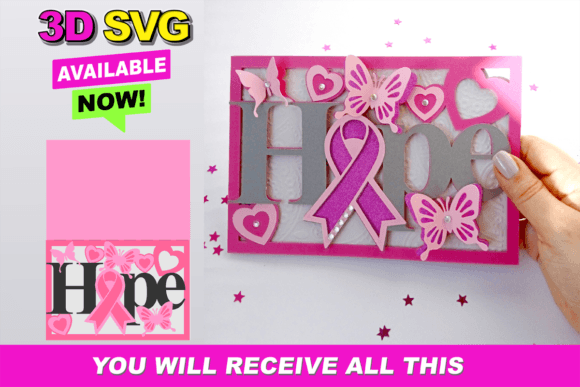
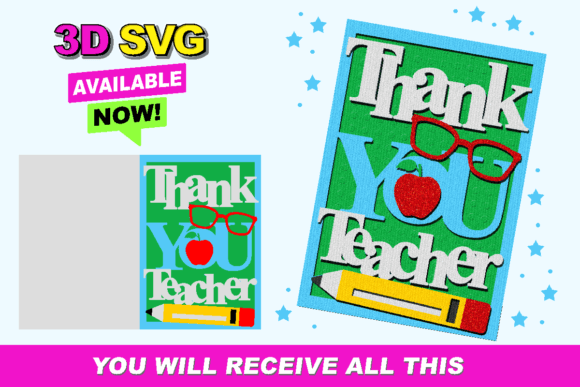
The tradition of giving cards to educators is timeless, but the tools used to create them have evolved significantly. Gone are the days when one was limited to store-bought greeting cards that everyone else was buying. Today, creators utilize software like Silhouette Studio and Cricut Design Space to produce custom designs that stand out. The specific Thank You Card for Teacher design discussed here leverages 3D layering techniques. This means the final product isn't flat; it has dimension, shadow, and texture that draw the eye and invite touch.
When you download this asset, you receive a compressed, zipped folder containing the necessary vector files. This format is crucial for maintaining the integrity of the design lines, ensuring that when the machine cuts the material, every curve and corner is precise. The "3D" aspect refers to the layering of different materials or colors to create a pop-up effect or a raised element on the card's surface. This adds a level of sophistication that flat printing simply cannot achieve, turning a simple note of thanks into a miniature work of art.
Understanding the File Format and Compatibility
One of the most common questions regarding digital assets involves compatibility. This particular Thank You Card for Teacher is optimized for the two leading consumer cutting machines: Silhouette and Cricut. If you are using Silhouette Studio, the SVG (Scalable Vector Graphics) file allows you to manipulate individual nodes, resize without losing quality, and adjust cut settings with precision. Similarly, users of Cricut Design Space can upload the SVG directly, where the software recognizes the layers automatically, streamlining the setup process.
However, the utility of this file extends beyond these two platforms. The prompt explicitly notes: "If you are using another type of machine please ensure you are able to use this type of file with your machine." This is a vital consideration for professionals using industrial cutters or alternative hobbyist brands like Brother ScanNCut or Sure Cuts A Lot (SCAL). Since the core file is an SVG, it is a universal standard in the vector world. Yet, users must verify their specific software version supports SVG imports, as some older or basic versions of cutting software may only accept proprietary formats. Checking this beforehand prevents frustration and ensures a smooth workflow.
Practical Applications and Real-World Scenarios
The versatility of a well-designed Thank You Card for Teacher means it can be adapted for numerous scenarios throughout the academic year. While often associated with the end-of-year celebrations, its application is far broader.
- Teacher Appreciation Week: Typically held in May, this is the peak season for gratitude. A 3D card stands out in a stack of envelopes, signaling extra effort and thoughtfulness from the family.
- End of Semester Gifts: Whether it is December or June, marking the completion of a term is a significant milestone. These cards pair perfectly with small gifts like gift cards or classroom supplies.
- Retirement Celebrations: For an educator ending their career, a dimensional card serves as a cherished keepsake that commemorates decades of service.
- Substitute Teacher Thanks: Often overlooked, substitute teachers play a critical role. A quick-to-make yet impressive 3D card can brighten their day and acknowledge their flexibility.
In a classroom setting, these cards can also be a group project. Older students can assist in assembling the layers, learning about spatial reasoning and fine motor skills while creating something meaningful for their mentor. The "download in a zipped folder" aspect makes distribution easy for Parent-Teacher Associations (PTAs) or school administrators who wish to provide a template for multiple families to use, ensuring a cohesive yet personalized campaign of gratitude.
Evaluating Suitability for Your Project
Before committing to this design, it is essential to evaluate if it fits your specific needs and skill level. The primary strength of this Thank You Card for Teacher lies in its visual impact. The 3D element creates a "wow" factor that flat cards lack. However, this comes with considerations regarding assembly. Unlike a single-layer cut, a 3D project requires patience. You will need to adhere multiple layers together, often using foam adhesive squares to create the lift, or carefully gluing intricate pieces.
Strengths:
- Visual Depth: The layered design catches light and creates shadows, making the message pop.
- Customizability: Because it is an SVG, you can change the colors, swap out fonts for the teacher's name, or even remove elements to simplify the design if needed.
- Cost-Effectiveness: Once downloaded, the file can be used repeatedly. You only pay for the materials (cardstock, vinyl, adhesive), which are generally inexpensive.
Limitations and Expectations:
It is important to manage expectations regarding time and material usage. A 3D card consumes more cardstock than a standard one. Furthermore, the assembly time is significantly higher. If you are producing thirty cards for an entire grade level, the time investment per card adds up. Additionally, the thickness of a 3D card may require a larger envelope than standard A2 sizes. Users should measure their finished product before purchasing envelopes to avoid the frustration of a card that won't fit.
Step-by-Step Execution for Best Results
To maximize the potential of this Thank You Card for Teacher, follow a structured approach. First, unzip the downloaded folder immediately to access the SVG files. Import the file into your preferred software. Before cutting your final material, always perform a "test cut" on a scrap piece of the same cardstock. This ensures your blade depth and pressure settings are correct, preventing torn edges or incomplete cuts which are disastrous for intricate 3D layers.
When selecting materials, consider the weight of the cardstock. For 3D structures, a slightly heavier stock (65lb to 80lb cover weight) often provides better structural integrity than lighter papers. If you are using vinyl for decorative elements, ensure the transfer tape is applied smoothly to avoid air bubbles. During assembly, work in a clean, well-lit area. Use tweezers for small details and allow adhesives to set properly before stacking the card.
Finally, personalize the message. While the design provides the visual framework, the handwritten note inside is the heart of the Thank You Card for Teacher. Mention a specific instance where the teacher made a difference. Did they help a struggling student understand a complex concept? Did they provide comfort during a difficult time? Specificity transforms a generic template into a heartfelt memory.
Conclusion: The Value of Handmade Gratitude
In conclusion, utilizing a downloadable 3D SVG for a Thank You Card for Teacher represents a perfect intersection of modern technology and traditional sentiment. It empowers individuals to create professional-grade, customized tokens of appreciation without needing advanced artistic skills. The ease of cutting in Silhouette Studio or Cricut Design Space, combined with the dramatic effect of 3D layering, results in a product that truly honors the recipient.
Whether you are a business owner creating client gifts, a parent wanting to show support, or a student embarking on a crafting journey, this tool offers immense value. By understanding the file requirements, preparing the right materials, and approaching the assembly with care, you can produce a card that does more than just say "thank you"—it shows it. In a world of mass production, the time and effort invested in a handmade, dimensional card speak volumes about the respect and admiration held for the educator receiving it.