Unlocking the Potential of Your Halloween Scarecrows Background Collection
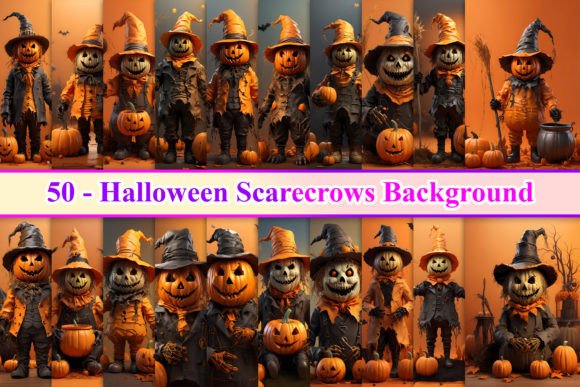
There is a distinct charm to the autumn season that goes beyond pumpkin spice and cooling temperatures. It is the atmosphere of harvest, mystery, and the whimsical spookiness that defines October. At the heart of this aesthetic often stands the scarecrow—a rustic guardian of the fields transformed into an icon of Halloween fun. When you invest in a high-quality Halloween Scarecrows Background collection, specifically one crafted with 3D illustration techniques, you are acquiring more than just images; you are securing a versatile toolkit for your creative projects. However, many creators, from seasoned graphic designers to enthusiastic hobbyists, often underestimate the breadth of application or mishandle the technical aspects of these digital assets. Understanding how to properly leverage these resources can mean the difference between a project that feels generic and one that truly captivates your audience.
This specific collection, featuring 50 high-resolution JPG files at 3000×4500 pixels with 300 DPI resolution, offers a robust foundation for everything from junk journals to professional packaging. Yet, a common mistake occurs when users treat these backgrounds as static end-products rather than dynamic layers. Because these files are rendered in RGB color and possess significant detail, they are designed to be manipulated. A frequent oversight is using them solely as full-page backdrops without considering clipping masks or layer blending. For instance, if you are designing a Halloween invitation, placing text directly over a busy 3D illustration can reduce readability. Instead, consider using the "clipping mask on shapes" technique mentioned in the file details. By creating a shape—such as a pumpkin silhouette or a jagged banner—and clipping the scarecrow texture into it, you create a focal point that guides the eye while maintaining the festive atmosphere. This approach elevates the design from a simple printout to a polished piece of graphic art.
Avoiding Resolution and Format Pitfalls
One of the most critical areas where creators stumble involves resolution management. You have access to files at 300 DPI, which is the gold standard for printing. However, a surprising number of users inadvertently degrade this quality before their project even begins. This often happens when images are resized incorrectly in software that uses interpolation methods leading to pixelation, or when files are saved repeatedly in lossy formats. If you are preparing materials for physical products like greeting cards or scrapbooking pages, preserving that crisp 300 DPI is non-negotiable. Blurry edges on a scarecrow's straw hat or a fuzzy texture on its burlap clothing can make a professional product look amateurish. Always work on a copy of the original file and ensure your document settings match the intended output size before importing the image.
Furthermore, there is often confusion regarding color modes. These backgrounds are provided in RGB, which is ideal for digital screens, blogs, and social media marketing. However, if your goal is commercial printing for packaging or large-scale banners, you must understand the conversion to CMYK. Ignoring this step can result in colors that appear dull or shifted once printed, particularly with the deep oranges and shadowy blacks typical of Halloween palettes. While the 3D illustrations are vibrant on screen, a proactive check of color profiles before sending files to a professional printer can save you from costly reprints and disappointed customers. It is a small technical step that protects your brand reputation and ensures the magic of the illustration translates perfectly to paper.
Maximizing Versatility Across Projects
Another misunderstanding lies in limiting the use of these backgrounds to traditional paper crafts. While they are undeniably perfect for junk journals, papercraft, and digital scrapbooking, their utility extends far further. Entrepreneurs and small business owners often overlook the potential of these assets for branding and web design. A Halloween Scarecrows Wallpaper Bundle can serve as an engaging blog background, instantly setting a seasonal tone for your content without requiring custom photography. Marketers can utilize these textures for social media posts, email headers, or even as subtle overlays in video content to maintain thematic consistency during the holiday rush.
Consider the scenario of a freelancer creating a suite of Halloween party invitations. A novice might simply place the image behind the text and call it done. A more experienced approach involves analyzing the composition of the 3D illustration. Since these are 3D renders, they likely have depth and lighting cues. You can enhance this by adding drop shadows to your text elements that match the light source in the background, creating a cohesive, integrated look. Additionally, because the collection includes 50 unique files, there is no need to repeat designs. You can create a series of coordinated items—invitations, menus, thank-you cards, and favor tags—that feel part of a unified collection yet offer visual variety. This level of coordination adds perceived value to your work, whether you are selling these items or using them for a client event.
Strategic Selection and Workflow Efficiency
When faced with a bundle of 50 files, decision paralysis can sometimes set in, leading to inefficient workflows. Creators may spend hours scrolling through thumbnails rather than executing their vision. To avoid this, it is helpful to categorize the images based on their dominant colors or compositional density before starting a project. Some backgrounds may feature a single prominent scarecrow, ideal for center-focused designs, while others might offer a textured field pattern better suited for borders or repetitive tiling in digital formats. By pre-sorting your assets, you streamline the creative process and reduce the time spent searching for the right element.
It is also vital to respect the licensing and usage rights associated with digital downloads, even when purchasing from reputable shops. While these files are intended for a wide variety of crafting and commercial projects, ensuring you are adhering to the specific terms of the seller protects you from legal complications down the line. Most creators appreciate when their assets are used innovatively, but using them in ways explicitly forbidden, such as reselling the raw files as your own stock photography, undermines the market for everyone. Focus on transforming these backgrounds into new, derivative works like the suggested packaging designs or clipped shapes, which adds your unique creative labor to the base asset.
Ultimately, the value of a Halloween Scarecrows Background collection is determined by how well you integrate it into your workflow. Whether you are an educator making seasonal classroom decorations, a blogger updating your site's theme, or a designer crafting high-end party invites, the key is intentionality. Avoid the trap of using the images as mere filler. Instead, let the high-resolution 3D details inspire your layout choices, color palettes, and textual arrangements. By paying attention to technical details like DPI and color modes, and by thinking creatively about application beyond the obvious, you transform a simple download into a cornerstone of your most successful Halloween projects. The magic is already in the illustration; your job is simply to frame it correctly.