Integrating the Shadow Box Alphabet Papercut Letter R into Your Creative Workflow
In the realm of modern crafting and small-scale manufacturing, the distinction between a simple cutout and a dimensional art piece often lies in the preparation and layering strategy. The Shadow Box Alphabet Papercut Letter R represents more than just a decorative element; it is a modular asset designed for integration into broader creative processes. Whether you are a professional educator designing classroom materials, a small business owner creating custom signage, or a hobbyist refining your paper engineering skills, understanding how to leverage this digital file effectively can streamline your production timeline and elevate the quality of your final output.
It is crucial to establish immediately that this product is a digital file only. You will not receive a physical product in the mail. Instead, upon purchase, you gain access to a comprehensive zip folder containing the design in multiple industry-standard formats: SVG, DXF, EPS, PDF, JPEG, and PNG. This versatility ensures compatibility with a wide array of cutting machines and design software, allowing the asset to fit seamlessly into existing workflows regardless of the specific hardware or platforms you utilize.
Strategic Preparation and File Management
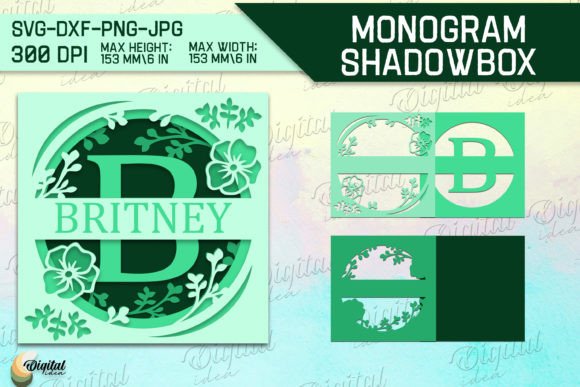
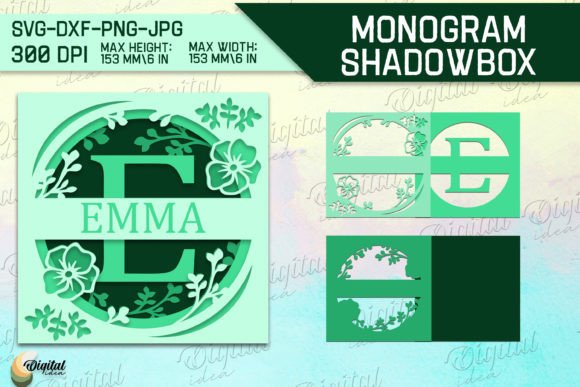
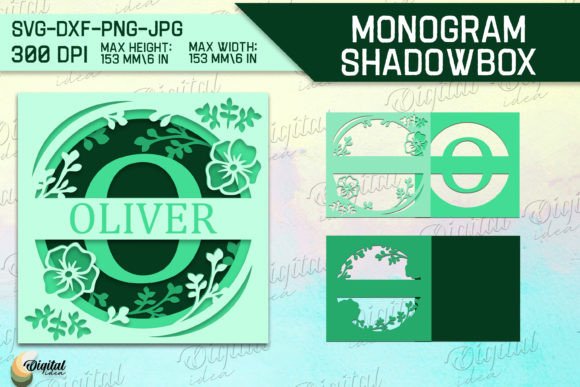
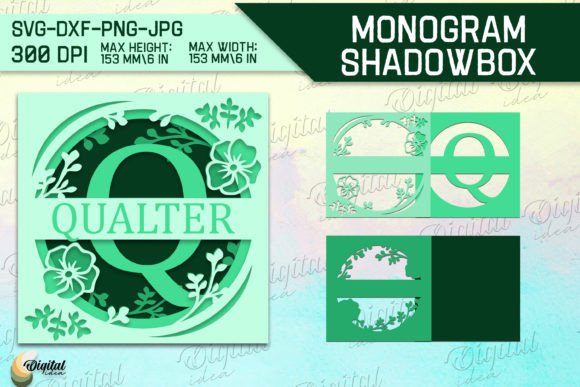
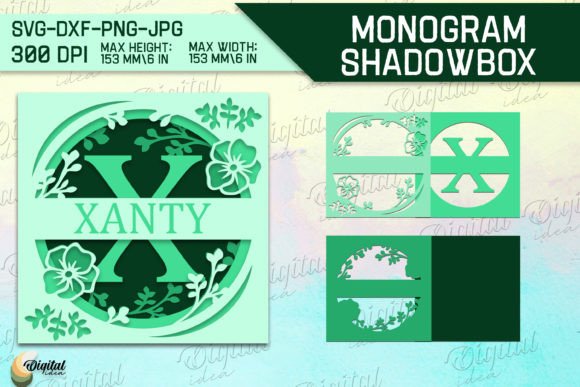
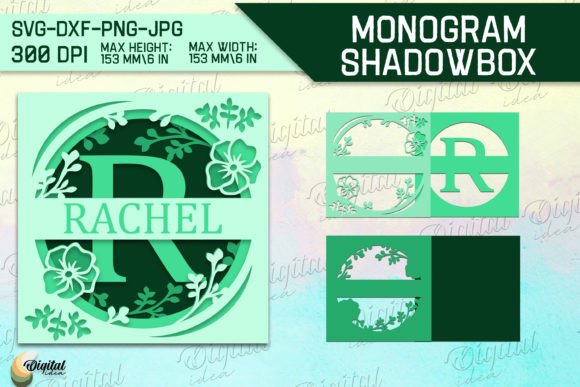
The efficiency of any papercraft project begins before the first cut is made. When integrating the Shadow Box Alphabet Papercut Letter R into your routine, the initial phase involves organizing your digital assets. Because the image is a layered SVG, it contains distinct segments that correspond to different depths of the final 3D structure. Each color is located on a separate layer, a design choice that significantly reduces manual sorting time during the cutting phase.
For professionals managing multiple projects, this layer separation facilitates batch processing. You can import the SVG directly into your preferred vector software, assign specific material profiles to each layer, and send the job to your cutter without needing to manually trace or separate elements. This level of organization supports consistency, ensuring that every "R" produced maintains the same structural integrity and aesthetic alignment. It also allows for easy modification; if your project requires a stylistic deviation, you can adjust individual layers without compromising the entire design.
Material Selection and Dimensional Planning
Once the digital file is prepared, the focus shifts to material execution. The utility of this design extends beyond standard cardstock. While heavy-weight cardstock is the traditional choice for achieving crisp folds and clean edges, the layered nature of the file allows for experimentation with diverse substrates such as plywood, acrylic, or textured specialty papers. The decision on material should be driven by the intended environment of the final piece. For instance, a durable plywood version might be suitable for a long-term retail display, while a delicate, patterned cardstock variation could serve as an elegant invitation suite component.
Achieving the desired 3D effect relies heavily on the spacing between these layers. The design provides the blueprint, but the depth is determined by your assembly method. You can add significant dimension by inserting foam adhesive squares between the layers or by using thicker materials like chipboard for the spacer elements. This flexibility allows you to control the shadow intensity and the overall profile of the letter. For educators demonstrating principles of light and shadow, varying the thickness of the spacers can serve as a practical lesson in how distance affects visual perception.
Workflow Integration Across Different Sectors
The application of the Shadow Box Alphabet Papercut Letter R varies significantly depending on the user's professional context. Here is how it interacts with different operational goals:
- Educators and Trainers: Use the layered files to teach geometry and spatial reasoning. Students can assemble the letters to understand how 2D planes create 3D forms, fostering hands-on learning in art and math curriculums.
- Small Business Owners: Incorporate the design into product packaging or store signage. The ability to customize colors to match brand guidelines allows for cohesive branding without the cost of custom tooling.
- Event Planners and Marketers: Deploy these letters as part of temporary installations or photo backdrops. The lightweight nature of cardstock versions makes them easy to transport and install, while the visual impact remains high.
- Content Creators: Utilize the high-resolution PNG and JPEG files for digital mockups or social media content, while using the physical cutouts for video backgrounds or props, ensuring a consistent visual identity across digital and physical channels.
Optimizing the Assembly Process
Execution is where planning meets reality. To ensure a smooth assembly process, it is advisable to establish a standardized workspace. Lay out your cut layers in order before applying any adhesive. This "dry fit" stage is critical for quality control, allowing you to verify that all pieces align correctly and that the color progression creates the intended gradient or contrast effect. If you are using different shades of cardstock, arranging them beforehand helps visualize the final depth and prevents errors such as placing a dark layer where a light one was intended.
Consistency in adhesive application is another factor that influences the final quality. Uneven glue distribution can cause layers to warp or shift, breaking the illusion of a seamless 3D object. Using precision applicators or pre-cut foam tapes ensures uniform spacing. For larger scale productions, creating a simple jig or template can speed up the alignment process, ensuring that every unit produced meets the same high standard. This approach is particularly valuable for freelancers fulfilling bulk orders where efficiency and repeatability are paramount.
Troubleshooting and Adaptability
Even with precise digital files, variables in material behavior can occur. Cardstock from different manufacturers may have varying tensile strengths or thicknesses, which can affect how the layers sit together. If you notice that the layers are too tight or too loose, you can adjust your spacer thickness accordingly. The open format of the SVG and DXF files allows you to scale the design slightly if your specific machine or material constraints require it, although maintaining the original aspect ratio is generally recommended to preserve the design's proportions.
Furthermore, the availability of multiple file formats ensures that you are never locked out of your workflow. If your primary software encounters an issue with an SVG, the EPS or PDF versions serve as reliable backups. This redundancy is essential for maintaining productivity, especially when working under tight deadlines. It also facilitates collaboration; you can share the DXF file with a colleague who uses a different CAD program, or the PNG for a client approval step, without needing to convert files manually.
Long-Term Value and Scalability
Investing in high-quality digital assets like the Shadow Box Alphabet Papercut Letter R offers long-term value through reusability. Unlike a physical template that can wear out or get lost, the digital file remains pristine indefinitely. You can revisit the design months or years later for new projects, adapting the color schemes or materials to fit evolving trends or seasonal themes. This scalability makes it a cost-effective solution for businesses looking to expand their product lines without incurring high development costs.
Moreover, mastering the technique of layering with this specific design builds a skill set that is transferable to other complex papercraft projects. The principles of depth management, material selection, and layer organization learned here can be applied to intricate scenes, pop-up books, or architectural models. As you become more proficient, you may find yourself modifying the original layers to create entirely new derivatives, further extending the utility of the initial purchase.
In conclusion, the Shadow Box Alphabet Papercut Letter R is a versatile tool that bridges the gap between digital design and tactile creation. By approaching it with a process-oriented mindset—focusing on preparation, material compatibility, and systematic assembly—you can integrate it smoothly into a wide range of professional and personal workflows. Whether you are crafting a single statement piece or producing a series of branded items, the layered structure and format flexibility of this digital file provide the foundation for efficient, high-quality results.
If you have specific questions regarding file compatibility, material recommendations, or customization options for your unique project requirements, please do not hesitate to send me a message. I am committed to supporting your creative process and ensuring you have the resources needed to succeed. Thank you for visiting my shop and considering this asset for your next endeavor.