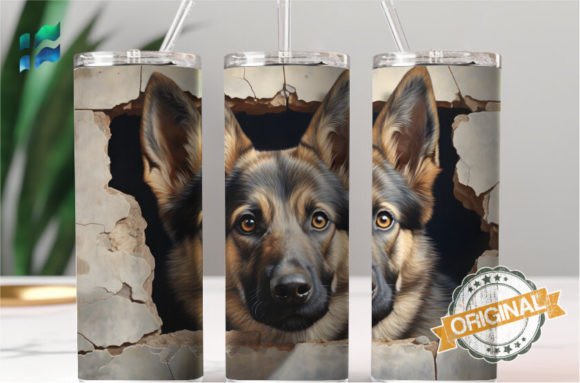
German Shepherd Sublimation: Avoiding Common Pitfalls for Flawless Tumbler Wraps
The German Shepherd is more than just a dog breed; it is a symbol of loyalty, intelligence, and protective instinct that resonates deeply with millions of owners worldwide. This profound connection drives a massive demand for personalized merchandise, particularly custom drinkware featuring these majestic canines. For creators and small business owners, offering a high-quality German Shepherd Sublimation PNG Tumbler Wrap represents a significant opportunity. However, the difference between a best-selling product and a disappointed customer often lies in the technical details of the digital file and the application process. Many enthusiasts rush into printing without fully understanding the nuances of resolution, sizing, and heat transfer, leading to avoidable errors that compromise the final result.
Understanding the Value of High-Resolution Digital Assets
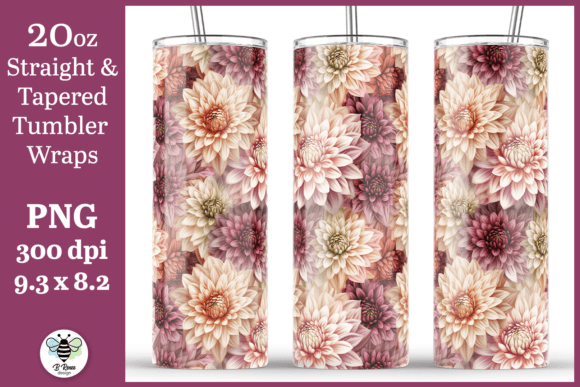
When selecting a design for your next project, the temptation to grab the first available image is strong. Yet, not all digital files are created equal. A common misunderstanding among beginners is assuming that any image found online will look crisp once printed on a curved surface. In reality, sublimation demands precision. A professional-grade file, such as a 300 dpi PNG, is non-negotiable for achieving sharp lines and vibrant colors. Lower resolution files may look acceptable on a computer screen but will appear pixelated or blurry when stretched over a 20oz skinny tumbler.
The specific dimensions matter immensely. For a standard 20oz skinny straight tumbler, the ideal design size is typically 9.3 inches by 8.2 inches. Using a file that does not match these proportions forces you to stretch or crop the image during the layout phase. Stretching a German Shepherd portrait distorts the animal's features, making the snout look unnaturally long or the ears too wide, which instantly degrades the aesthetic appeal. Always verify the aspect ratio of your digital download before you even open your design software. A file explicitly labeled for this specific tumbler size saves hours of trial and error.
The Perils of Ignoring File Formats and Transparency
One of the most frequent mistakes in the sublimation community involves file formats. While JPEGs are common for photography, they lack the ability to support transparent backgrounds. When wrapping a design around a tumbler, you rarely want a white box surrounding your German Shepherd unless it is part of the intentional design. A PNG file with transparency allows the metallic or colored finish of the tumbler to show through where there is no ink, creating a seamless, professional look. Downloading a JPEG version of a wrap often results in unsightly white borders that require tedious manual removal in editing software, increasing the risk of cutting into the actual artwork.
Furthermore, color management is an area where many creators stumble. Screens display colors in RGB (Red, Green, Blue), while sublimation printers operate in CMYK (Cyan, Magenta, Yellow, Key/Black). A bright, neon blue on your monitor might print as a dull purple if not properly managed. Before committing to a full print run, it is wise to print a small test strip. This simple step helps you gauge how the specific shades of the German Shepherd's coat—whether the classic black and tan or the sable variation—will translate onto the physical medium. Adjusting brightness and contrast slightly upward before printing can often compensate for the darkening effect that occurs during the heat press process.
Mastering the Application Process
Even with a perfect 300 dpi PNG file, the final outcome depends heavily on the application technique. The sublimation process requires transferring the design from paper to the tumbler using heat and pressure. A critical error here is improper wrapping tension. If the sublimation paper is loose, the image will shift, resulting in ghosting or blurred edges. Conversely, if it is too tight, the paper might tear or leave crease marks in the ink. The goal is a snug, smooth fit where the paper adheres evenly to the curve of the tumbler without gaps.
Temperature and time settings are equally vital. Different ovens and heat presses vary in their actual temperature compared to their dial settings. Relying blindly on generic instructions found online can lead to under-sublimated images that wash off or over-sublimated ones that turn brown and burnt. For a 20oz skinny tumbler, consistent heat distribution is key. Using high-quality sublimation oven wraps or shrink wrap ensures that the pressure remains uniform around the entire circumference. Without this, you might find that one side of the German Shepherd is vivid while the opposite side is faded.
Preparation Steps for Success
To ensure your project yields a permanent, high-quality image, consider this checklist before starting:
- Verify Resolution: Ensure the downloaded file is genuinely 300 dpi at the printed size of 9.3" x 8.2".
- Check Transparency: Confirm the file is a PNG with a transparent background if you do not want a solid border.
- Mirror the Image: Always mirror (flip horizontally) your design before printing. Sublimation transfers the image exactly as it appears on the paper; failing to mirror will result in reversed text or asymmetrical features on the dog.
- Clean the Surface: Wipe the blank tumbler with alcohol to remove oils and dust. Any residue can prevent the ink from bonding correctly.
- Secure the Wrap: Use heat-resistant tape to secure the seam tightly, ensuring no movement occurs during the heating phase.
Evaluating Your Source and Making Smart Choices
When purchasing or downloading a German Shepherd Sublimation PNG Tumbler Wrap, scrutinize the seller's reputation and file specifications. Reputable creators provide detailed previews, exact dimension data, and clear licensing terms. Be wary of listings that offer "multiple sizes" in a single low-resolution file, as scaling up a small image inevitably leads to quality loss. Investing in a dedicated, high-resolution file designed specifically for the 20oz skinny profile is a small cost that protects your brand reputation and material expenses.
Remember, the goal is to create a custom-designed tumbler that honors the beauty of the German Shepherd. By paying attention to the technical requirements of the digital file and respecting the physics of the sublimation process, you avoid the frustration of wasted blanks and ink. Whether you are a hobbyist making gifts for family or an entrepreneur building a catalog, these precautions ensure that every tumbler you produce is a testament to quality craftsmanship. Take the time to prepare correctly, and the result will be a durable, vibrant product that customers cherish for years.