Evaluating the Layered Floral Alphabet Letter Q for Crafting Projects
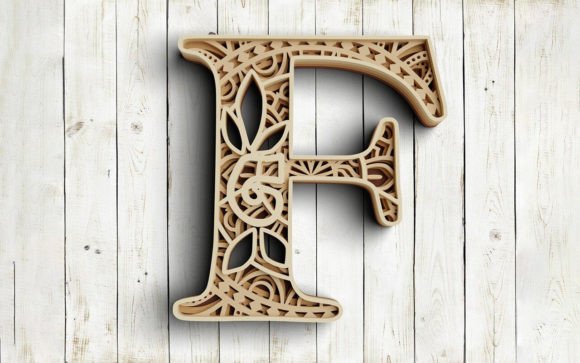
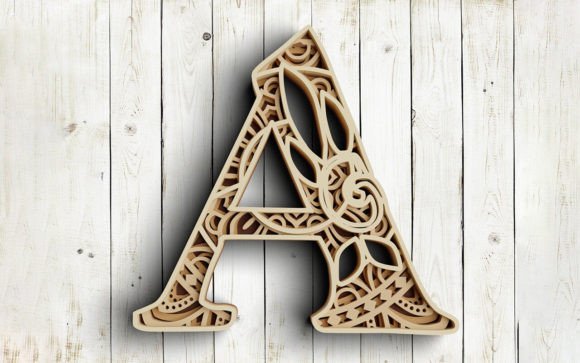
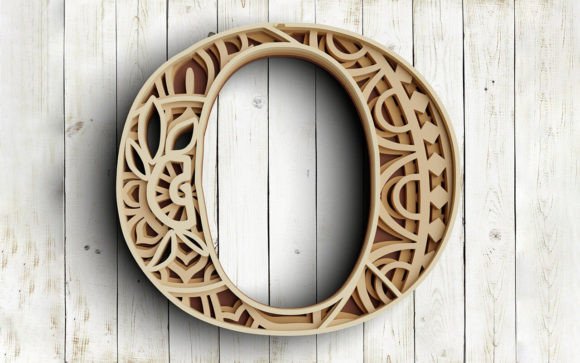
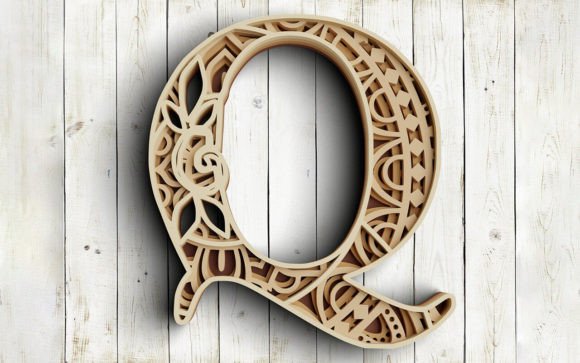
The Layered Floral Alphabet Letter Q represents a specific category of digital design assets tailored for modern crafting enthusiasts. Unlike standard single-layer cut files, this design utilizes a multi-tiered approach, typically comprising four distinct layers that create depth and visual complexity when assembled. The aesthetic combines botanical elements with geometric precision, often described as having a 3D Mandala theme. For individuals researching digital assets for use with cutting machines like Cricut or Silhouette, or laser cutting systems, understanding the utility, file compatibility, and practical application of such a design is essential before making a selection.
Understanding the Design Structure
At its core, the Layered Floral Alphabet Letter Q is a vector-based illustration broken down into separate components. The "four-layer" specification indicates that the image is not a flat silhouette but a composition of overlapping shapes. When these layers are cut from different materials or colors and stacked, they produce a shadow effect that mimics three-dimensionality. The floral motif integrated into the letterform adds an organic texture, while the mandala influence suggests radial symmetry and intricate detailing.
This structure serves a functional purpose beyond aesthetics. In paper crafting, each layer can be cut from cardstock of varying shades to enhance contrast. In woodworking or acrylic crafting, the layers allow for the creation of physical depth without requiring complex carving techniques. The design is distributed in a compressed ZIP archive containing multiple file formats to ensure broad software compatibility. These typically include SVG files for web-based platforms like Cricut Design Space, DXF files for older or specific versions of Silhouette Studio, EPS for professional vector editing software, and PNG files for sublimation or direct printing.
Primary Applications and Use Cases
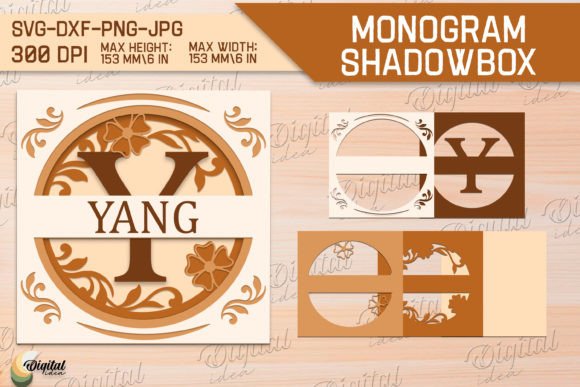
One of the strongest fits for the Layered Floral Alphabet Letter Q is in the creation of shadow boxes. Because the design relies on stacking to achieve its intended look, it aligns perfectly with deep-frame displays. Crafters can use foam adhesive squares between layers to physically separate them, enhancing the 3D effect. This makes the design a popular choice for personalized home decor, such as monogrammed wall art for nurseries, living rooms, or offices.
Additionally, this asset is highly suitable for gift-making. The ability to customize colors and materials allows the creator to tailor the final product to the recipient's taste. For instance, a wedding gift might utilize white and cream cardstock with gold accents, while a birthday present could feature vibrant, contrasting hues. The inclusion of the letter "Q" specifically addresses a niche need, as less common initials often have fewer high-quality design options available compared to vowels or popular consonants.
Beyond paper, the DXF and SVG formats make this design viable for laser cutting. Users working with wood veneers, acrylic sheets, or leather can replicate the layered effect using rigid materials. The mandala theme, with its repetitive geometric patterns, often translates well to laser engraving, where the fine details of the floral elements can be etched into the surface of the top layers for added texture.
Benefits of Multi-Layered Digital Assets
The primary benefit of choosing a layered design over a single-layer alternative is the professional finish it provides. Single-layer cuts can sometimes appear flat or simplistic, whereas layered designs offer a sophistication that resembles hand-crafted papercutting art. The pre-separated layers save the user significant time; manually separating a complex floral monogram into four distinct cuttable layers using vector software requires advanced skills and patience. By purchasing a pre-layered file, the crafter bypasses the technical hurdle of image tracing and path division.
Furthermore, the versatility of the included file formats supports a wide range of workflows. The SVG format is universally accepted by most modern cutting machines and design apps, ensuring that users do not need specialized software to begin their project. The PNG inclusion is particularly useful for those who may not own a cutting machine but wish to use the design for print-on-demand services or sublimation projects, although the layered effect would need to be simulated digitally in those instances.
Considerations and Potential Tradeoffs
While the Layered Floral Alphabet Letter Q offers significant aesthetic advantages, there are practical considerations that potential users must evaluate. The most notable tradeoff is the increase in material usage and assembly time. A four-layer design requires four times the amount of base material compared to a single-layer cut. For expensive mediums like specialty vinyl, hardwood, or colored acrylic, this cost multiplication can be significant.
Assembly also demands precision. Aligning four intricate layers perfectly requires careful handling. If the layers are shifted even slightly during adhesion, the symmetry of the mandala and the clarity of the letterform can be compromised. Users who prefer quick, "cut-and-apply" projects may find the assembly process tedious. Additionally, the complexity of the floral details means that weeding (removing excess material) can be time-consuming, especially if using small-format cutting machines with limited pressure capabilities.
Another consideration is the scale of the project. Intricate mandala designs often contain fine lines and small gaps. If the design is scaled down too much for a small item, such as a keychain or a small sticker, these details may not cut cleanly or may tear during the weeding process. Users must verify the minimum recommended size for the specific material they intend to use.
When to Consider Alternatives
There are scenarios where the Layered Floral Alphabet Letter Q may not be the optimal choice. If the goal is rapid production, such as creating dozens of labels or decals in a short timeframe, a single-layer bold font or a simplified monogram would be more efficient. Similarly, if the end-user lacks the tools to create depth, such as foam adhesives or a deep shadow box frame, the value of the layered file diminishes. In such cases, a flat design with internal cutouts might provide a similar level of detail without the requirement for physical stacking.
Moreover, for beginners who are still mastering the basics of their cutting machine, starting with a four-layer project can be overwhelming. Issues with material shifting, blade drag, or alignment errors are more pronounced in multi-step projects. Novices might benefit from starting with two-layer designs or simpler geometric shapes before attempting complex floral mandalas.
Making an Informed Decision
Selecting the right digital design ultimately depends on the specific goals of the project and the resources available to the creator. The Layered Floral Alphabet Letter Q is a strong candidate for those seeking high-end, customized decor items where visual depth and intricacy are priorities. It is particularly valuable for crafters who enjoy the assembly process and have access to a variety of cardstock colors or materials to highlight the layers.
However, if budget constraints regarding materials are tight, or if the project timeline is short, a simpler alternative may yield better results. Evaluating the intended display method is crucial; if the final piece will be viewed from a distance where fine details are lost, the effort required to assemble four layers may not provide a proportional return on investment. Conversely, for close-up viewing in a home gallery or as a cherished gift, the nuanced shadows and floral details of this design offer a level of craftsmanship that flat designs cannot match.
In conclusion, the Layered Floral Alphabet Letter Q is a versatile and robust asset for intermediate to advanced crafters. Its compatibility with major cutting platforms and its inclusion of diverse file formats make it accessible, while its multi-layered structure offers a pathway to creating professional-grade 3D art. By weighing the benefits of aesthetic depth against the requirements for material and time, users can determine if this design aligns with their creative vision and practical capabilities.