Evaluating the Diving Shadow Box Paper Cut SVG for Layered Craft Projects
For creators who specialize in paper engineering and dimensional decor, the transition from flat design to three-dimensional art requires precise digital assets. The Diving Shadow Box Paper Cut SVG represents a specific category of layered templates designed to create depth through strategic stacking. This asset is not merely a decorative image; it is a functional blueprint for constructing a 3D scene. Understanding its technical specifications, material requirements, and assembly nuances is essential for anyone considering integrating this template into their workflow, whether for personal hobby projects or small-scale commercial production.
Technical Specifications and File Compatibility
The core value of any digital cutting file lies in its versatility and compatibility with various hardware ecosystems. This particular template is provided in a comprehensive suite of formats, including SVG, PDF, EPS, PNG, and DXF. This multi-format approach ensures that the design is accessible to a broad range of users, regardless of their preferred software or cutting machine.
The SVG file is the primary asset for users operating popular desktop cutters such as Silhouette Cameo or Cricut machines. These vector files allow for clean, scalable cuts without pixelation. For professionals using industrial laser cutters or CNC routers, the inclusion of DXF and EPS formats is critical, as these are standard in professional graphic design and manufacturing software. The PNG file serves a different purpose, primarily useful for digital previews, sublimation designs, or as a reference guide during manual assembly.
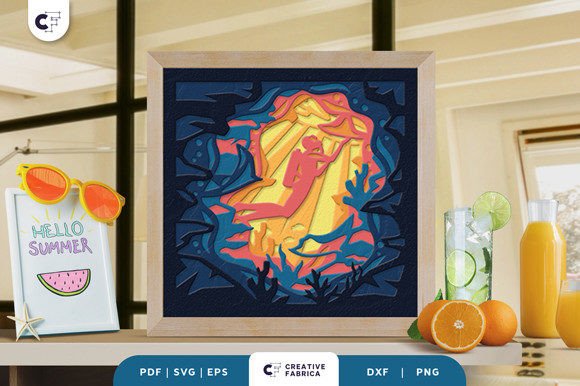
The template is structured as a square design with dimensions of 20.32×20.32 cm (approximately 8x8 inches). It consists of seven distinct layers. This layer count is significant; it provides sufficient depth to create a convincing shadow box effect without becoming overly complex or requiring an excessive amount of material. When resizing the design, it is imperative to maintain the aspect ratio. Distorting the proportions can misalign the registration points between layers, resulting in a final product that looks disjointed rather than cohesive.
Material Selection and Structural Integrity
The success of a shadow box project is heavily dependent on the quality of the substrate used. The recommended material for this template is Encore Cardstock 80 lb cover (216 gsm). This weight class is ideal for several reasons. Firstly, it is thick enough to hold its shape when lifted off the backing board, creating the necessary shadows and depth. Secondly, it is thin enough to be cut cleanly by most consumer-grade electronic cutters without requiring multiple passes, which can lead to frayed edges.
Using cardstock that is too light, such as standard printer paper or 65 lb text weight, will result in a flimsy structure that fails to stand out from the background. Conversely, using material that is too thick, such as chipboard or heavy watercolor paper, may exceed the cutting force capabilities of smaller machines and make assembly difficult due to bulk. The 80 lb cover stock strikes a balance between rigidity and workability, ensuring that the intricate details of the diving theme remain sharp and defined.
For those sourcing materials, consistency in color and texture is key. Variations in paper brightness or finish can alter the visual perception of depth. While the preview images provide a general idea of the aesthetic, actual results will vary based on lighting conditions and the specific hue of the cardstock chosen. Neutral tones often work best for shadow boxes as they emphasize the interplay of light and shadow, whereas high-contrast colors can highlight the silhouette of each layer.
Assembly Techniques and Construction Methods
Assembling a seven-layer shadow box requires patience and precision. The primary tools needed are glue or double-sided tape. Each method has its advantages. Double-sided tape, particularly foam tape, is often preferred for shadow boxes because it adds additional height between layers, enhancing the 3D effect. It also allows for repositioning if a layer is slightly misaligned during the initial placement. Liquid glue or glue dots provide a stronger, permanent bond but offer less flexibility for adjustment once applied.
For users without electronic cutting machines, the template can still be utilized effectively. The PDF and PNG files can be printed and used as stencils. With a sharp art knife and a self-healing cutting mat, manual cutting is possible, though it requires significantly more time and steady hands. The complexity of the design means that intricate details may be challenging to replicate manually, so this method is best suited for experienced crafters comfortable with detailed hand-cutting.
Alignment is the most critical step in the assembly process. Using registration marks or aligning the corners of each layer before adhering them ensures that the final image is centered and symmetrical. Rushing this stage often leads to visible errors that detract from the professional appearance of the finished piece.
Creative Applications and Display Options
The versatility of the Diving Shadow Box Paper Cut SVG extends beyond traditional framing. While it functions excellently as a static wall decoration, its design lends itself well to illumination. By inserting LED strip lights between the layers, crafters can transform the piece into a light box. The layered paper acts as a diffuser, softening the light and creating a warm, ambient glow. This application is particularly effective for evening displays or as a nightlight in a child’s room, adding a dynamic element to the static design.
When framed, the choice of frame depth is important. A standard picture frame may not accommodate the thickness of seven layers plus adhesive. Deep-set frames or custom shadow box frames are recommended to protect the protruding elements and provide a polished, gallery-ready look. Glass or acrylic fronts should be spaced adequately to avoid compressing the top layer, which could flatten the intended 3D effect.
This template also serves as a thoughtful gift option. Its thematic nature makes it suitable for enthusiasts of marine life, summer decor, or diving sports. The handmade aspect adds a personal touch that mass-produced decor lacks, making it a meaningful present for friends, family, or special occasions.
Target Audience and Practical Value
This digital asset is best suited for intermediate to advanced crafters who understand the basics of layering and assembly. Beginners may find the seven-layer structure challenging, particularly regarding alignment and adhesive management. However, for those with some experience, the template offers a reliable starting point for creating high-quality decor without the need to design complex vector paths from scratch.
Small business owners and Etsy sellers may find value in this template for producing limited-edition home decor items. The ability to resize the SVG allows for customization, enabling creators to offer different sizes to meet customer preferences. However, it is crucial to note that the license terms should be reviewed carefully regarding commercial use. While the file is a paid product, understanding the scope of permitted usage is essential for legal compliance in a business context.
Educators and workshop leaders might also utilize this design for teaching purposes. It demonstrates principles of spatial reasoning, layering, and precision cutting. Students can learn how two-dimensional designs translate into three-dimensional objects, providing a tangible lesson in geometry and art.
Limitations and Considerations
While the Diving Shadow Box Paper Cut SVG is a robust resource, it is not without limitations. The fixed aspect ratio means it cannot be stretched to fit non-square frames without redesigning the elements. Additionally, the complexity of the cut paths may require frequent blade changes on cutting machines, especially when working with denser cardstock. Users should anticipate longer cutting times compared to simpler, single-layer designs.
Color variation is another factor to consider. As noted in the product details, the final appearance will depend on the lighting and paper color used. Creators should test small sections with their chosen materials before committing to the full project to ensure the desired visual effect is achieved. Dust and debris can also accumulate between layers over time, so sealed frames are recommended for long-term preservation.
In conclusion, this template offers a balanced combination of aesthetic appeal and technical functionality. It provides a structured pathway for creating sophisticated paper art, supported by versatile file formats and clear material guidelines. For crafters seeking to expand their portfolio of dimensional projects, this asset represents a practical and professionally viable resource.