Elegant Jasmine Brooch: A 3D FSL Masterpiece
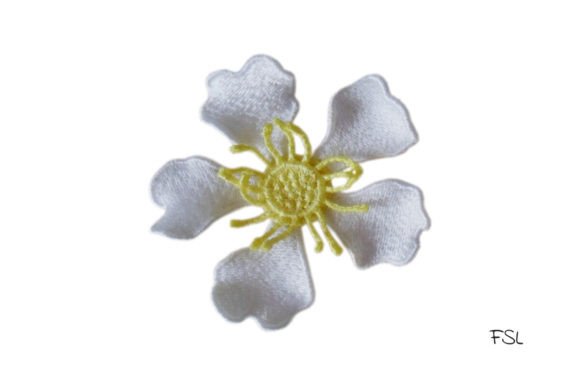
There is a distinct quiet confidence in wearing a piece of jewelry that looks like it was grown rather than manufactured. The Jasmine Brooch captures exactly this sentiment, transforming the fleeting beauty of a white jasmine flower into a permanent, wearable accessory. Unlike standard flat embroidery or mass-produced metal pins, this design utilizes Freestanding Lace (FSL) technology to create a truly three-dimensional object. It stands away from the fabric, casting subtle shadows and mimicking the delicate curvature of real petals. For creators, fashion enthusiasts, and small business owners alike, understanding the nuance of this specific craft opens doors to unique branding opportunities and personal expression that generic accessories simply cannot match.
The Artistry Behind Freestanding Lace
To appreciate the Jasmine Brooch, one must first understand the complexity of the Freestanding Lace technique. Traditional embroidery relies on a backing fabric to hold the stitches together. FSL, however, is different. The design is stitched entirely on a water-soluble stabilizer. Once the machine finishes its work, the stabilizer is dissolved in water, leaving behind nothing but the thread itself, formed into a rigid yet airy structure.
This method requires precise digitizing. Every connection point between petals and leaves must be calculated to ensure structural integrity without visible support threads. In the case of the jasmine design, the digitizer has meticulously mapped out the vein structures of the leaves and the gentle curl of the flower buds. The result is a piece that feels lightweight and ethereal, yet durable enough for daily wear. The "white on white" aesthetic often used in these designs highlights the texture of the thread, creating depth through shadow rather than color contrast. This sophistication makes it suitable for formal wear where subtlety is key, as well as casual attire where it serves as a conversation starter.
Versatility Across Professional and Creative Spheres
While a brooch might seem like a purely decorative item, its applications extend far beyond personal adornment. For professionals in client-facing roles, such as real estate agents, consultants, or educators, accessories act as non-verbal communication tools. A Jasmine Brooch signals attention to detail and an appreciation for craftsmanship. It suggests a personality that values elegance without being ostentatious.
For entrepreneurs and boutique owners, this design offers a tangible product opportunity. Because the design comes in multiple embroidery file formats, it is compatible with a wide range of home and commercial embroidery machines. This accessibility allows makers to produce limited-run collections for bridal showers, spring fashion lines, or corporate gifts. Imagine a hotel chain using these bespoke floral pins as welcome gifts for VIP guests, or a wedding planner incorporating them into the boutonnieres for a rustic-chic theme. The ability to customize the thread type—switching from matte cotton to shimmering silk or metallic blends—allows for endless variation while maintaining the core structural design.
Practical Benefits for Makers and Designers
From a production standpoint, the utility of this machine embroidery design lies in its efficiency and adaptability.
- Multi-Format Compatibility: Whether you are running a single-needle home machine or a multi-head commercial setup, the availability of various file formats ensures seamless integration into your existing workflow.
- Material Efficiency: FSL techniques generally use less thread than heavy satin-stitch fills, reducing material costs per unit while maximizing visual impact.
- Scalability: The design can be resized within certain limits to fit different applications, from a lapel pin to a hair accessory or even a embellishment on a handbag.
- Brand Differentiation: In a market saturated with imported, plastic accessories, offering hand-finished, machine-embroidered lace items establishes a brand identity rooted in quality and artisanal value.
For hobbyists, the learning curve associated with FSL is rewarding. Successfully producing a Jasmine Brooch teaches valuable lessons about tension management, stabilizer selection, and post-processing techniques. It bridges the gap between digital design and tactile art, providing a satisfying project that yields a functional result immediately upon completion.
Selecting the Right Materials for Optimal Results
Achieving the "realistic and three-dimensional effect" described in the design specifications requires more than just loading the file. The choice of thread and stabilizer plays a pivotal role. For the classic white jasmine look, high-quality polyester or rayon threads are recommended due to their sheen and strength. However, for a more vintage or organic feel, matte cotton threads can soften the appearance, making the flower look like dried botanicals preserved in time.
The stabilizer is equally critical. Since the entire structure depends on it during the stitching process, using a heavy-grade water-soluble film is essential to prevent sagging or distortion, especially in the freestanding petal sections. After stitching, the rinsing process must be gentle; aggressive water pressure can damage the delicate connections of the lace. Allowing the piece to dry over a curved form, such as a mold or a rounded bottle, helps maintain the desired 3D shape as it sets. These practical considerations ensure that the final product retains the grace and sophistication intended by the original design.
Elevating User Experience Through Detail
In the realm of user experience (UX), whether digital or physical, details matter. Wearing or gifting a Jasmine Brooch enhances the user's experience of an outfit or an event. It adds a layer of sensory engagement—the slight texture of the lace against the fingertips, the way light filters through the openwork stitches. For bloggers and content creators, showcasing the creation process of such an item provides engaging visual content. Time-lapse videos of the embroidery machine working on the FSL design, followed by the reveal of the washed and dried flower, perform exceptionally well on social platforms. This content not only demonstrates skill but also educates the audience on the value of handmade goods.
Furthermore, the durability of machine-embroidered lace means these brooches can become heirlooms. Unlike fresh flowers that wilt within days, this textile interpretation of the jasmine persists. It serves as a reminder of a specific season, a particular event, or a milestone achievement. For educators teaching textile arts, this project serves as an excellent case study in modern embroidery capabilities, demonstrating how traditional floral motifs can be reimagined through contemporary technology.
Ultimately, the Jasmine Brooch represents a convergence of nature's aesthetics and engineering precision. It is a testament to what can be achieved when digital files meet physical threads. Whether you are looking to expand your product line, refine your personal style, or simply explore the boundaries of machine embroidery, this design offers a robust platform for creativity. Its understated elegance ensures it remains relevant across changing fashion trends, proving that true sophistication lies in the details we choose to highlight.